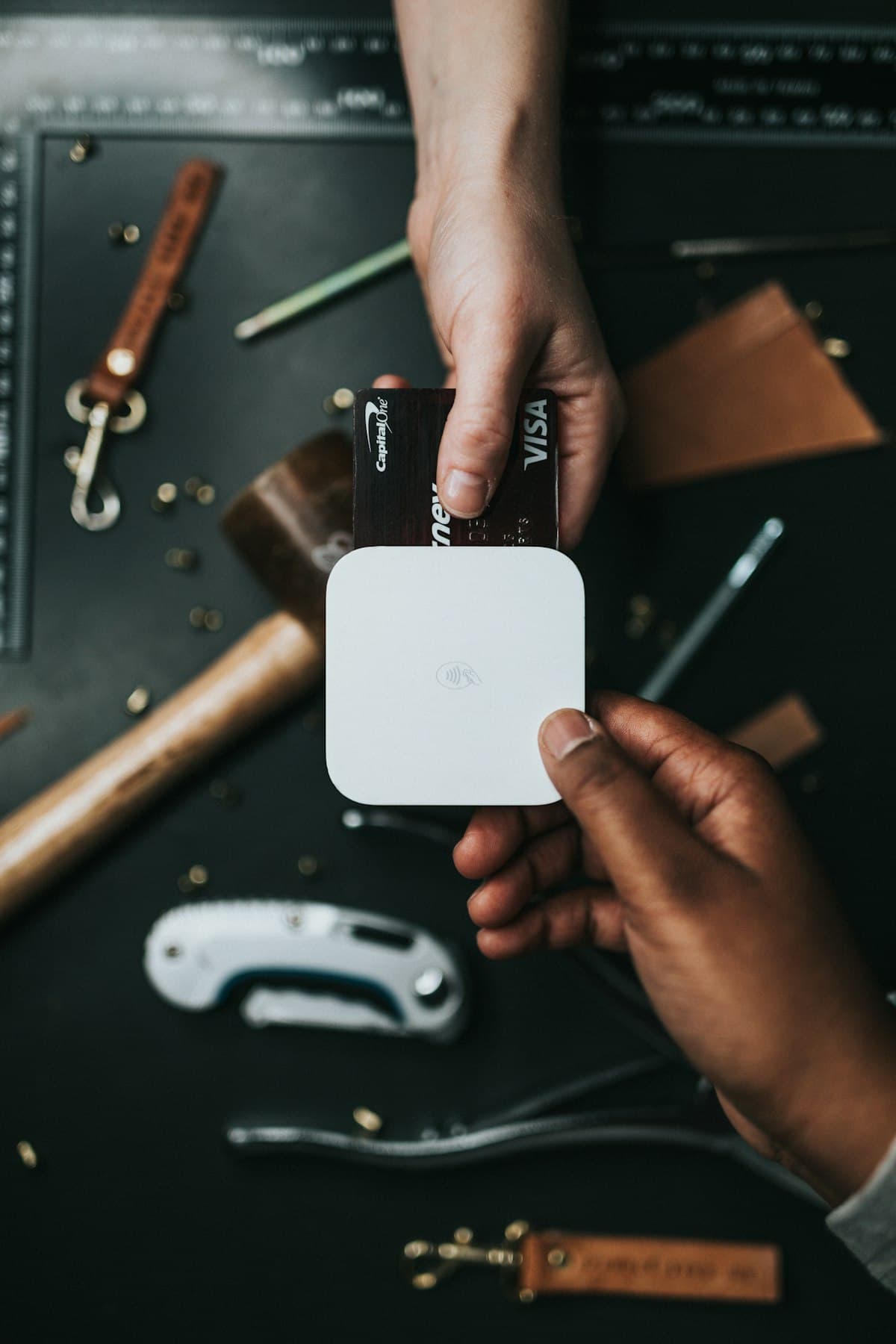
A website or just an Instagram page? Why your local business needs its own home online
Social is great for reach, but you do not own it, and customers still check for a real site before they trust you. Here is how the two work together.

You post every day. The feed looks good, the regulars like and comment, and a few new faces find you each week. So do you really need a website too? The honest answer is yes, and not because a feed is bad. It is because the two jobs are different.
Think of social as the street outside your shop. It is busy, it brings people past your door, and it is a great place to show your face. But you do not own the street. The platform decides who sees your posts, changes the rules whenever it likes, and can suspend an account overnight. Your followers are not a list you can call. They are borrowed attention.
Your own site is the shop itself. It is the one place online that is fully yours, where people can do the things that actually make you money: check your hours, read your menu or prices, book an appointment, place an order, and pay. It is also where new customers go to decide whether to trust you in the first place.
People look you up before they walk in
Before a first visit, most people do a quick check. They search your name, glance at your site, and read a few reviews. If there is no site, or just a feed with no hours and no prices, that is a small reason to pick the place down the road instead.
75%
of people regularly read online reviews of local businesses, and Google is the number one place they read them.
BrightLocal, Local Consumer Review Survey, 2024
Reviews live next to your search result, and your site is what they click through to. The majority of people look a business up online before they visit in person, so the few seconds after they search are doing a lot of quiet work. A clear site closes the gap. A missing one leaves it open.
What a site does that a feed cannot
A feed is built for scrolling. A site is built for deciding and acting. Here is the work only your own site can really do:
- Take bookings and orders directly, with no back and forth in the messages.
- Accept payment, by card, cash on delivery, bank transfer, or pay on pickup.
- Show your hours, location, menu, and prices in one place that is always current.
- Rank on Google when people search for what you do near them.
- Build a customer list that is yours to keep, not the platform's.
It is not a website or social. It is a website that social points to.
The best setup is simple: your site is home, and every channel points back to it. The Instagram bio links to your booking page. The story about today's special links to the menu. The post about a new product links to the product. Social does what it is good at, finding people, and the site does what it is good at, turning them into customers you can reach again.
Keep posting. The feed is worth it. Just give all that attention somewhere of your own to land.
Frequently asked questions
Put your business online, the short way.
Pick your trade and Glevu builds your site, with the tools to run it. Live in an afternoon, one honest plan.
Keep reading
 Getting online
Get your local business online in one afternoon: a no jargon checklist
You do not need a developer or a week off. Here is the exact order to go from nothing to a real, bookable, sellable site by the end of the day.
 Running your business
Why one connected platform beats five separate apps for a local business
A site builder here, a booking app there, a POS, a chatbot, an email tool. Each solves one slice and leaves you as the glue. Here is the case for one connected home.
 Bookings and ordering
How salons and barbers cut no shows with online booking and reminders
Empty chairs cost more than the missed service. Here is how 24/7 online booking plus automatic reminders quietly protects your day.